


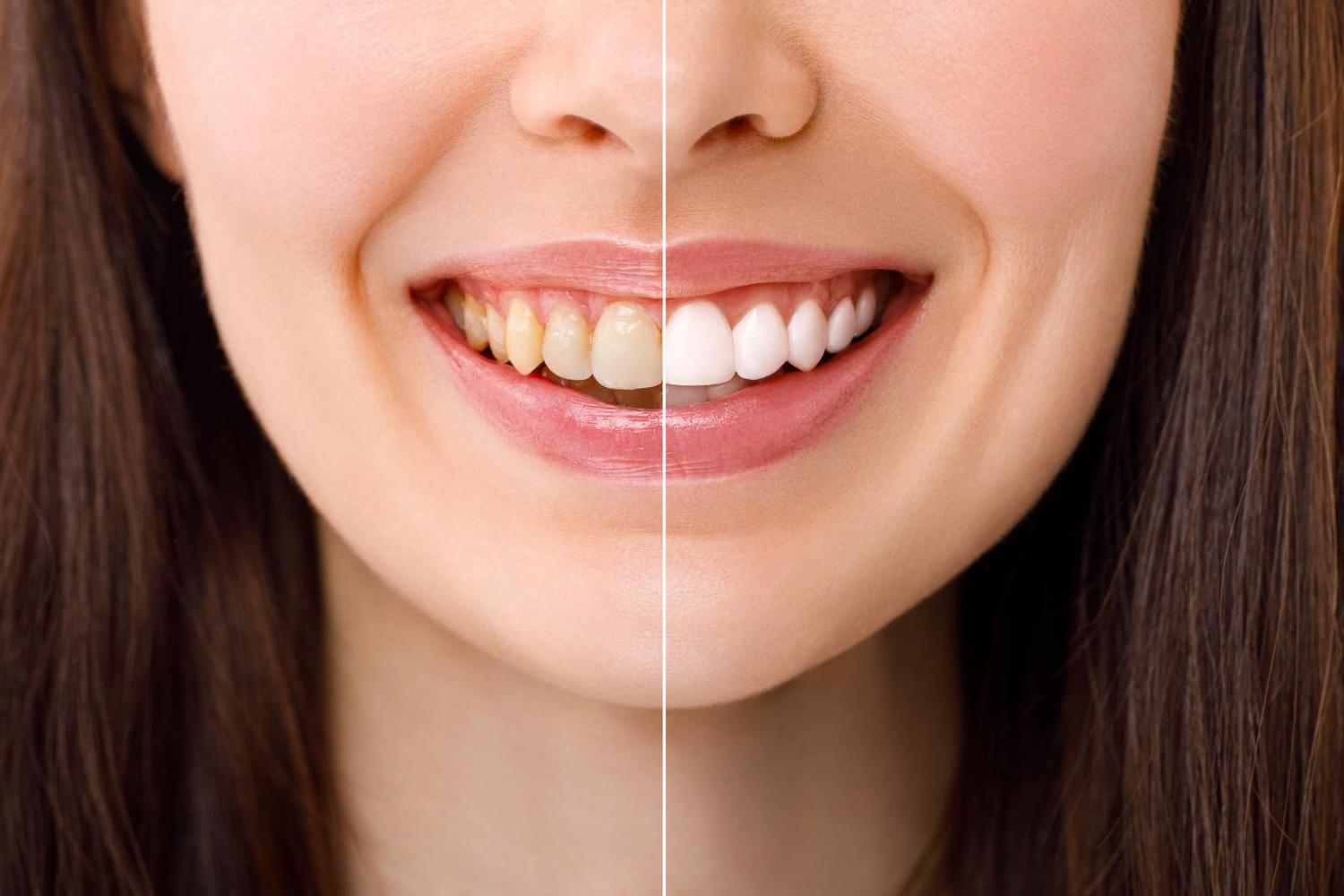
A bright white smile is often associated with confidence and good oral hygiene. Because of this, teeth whitening has become one of the most popular cosmetic dental treatments today. From home remedies to professional procedures, there are many options available. However, not all whitening methods are safe or effective.
Understanding what truly works and what should be avoided. It can help you achieve whiter teeth without damaging your oral health.
Why Do Teeth Become Yellow?
Teeth can lose their natural whiteness for several reasons, including:
- Frequent consumption of tea, coffee, or soft drinks
- Smoking or tobacco use
- Poor oral hygiene
- Aging
- Certain medications
- Plaque and tartar build-up
In many cases, simple lifestyle changes and proper dental care can improve tooth appearance.
Teeth Whitening Methods That Work
Professional Dental Whitening
Professional whitening performed by a dentist is considered one of the safest and most effective methods. Dentists use approved bleaching agents that can noticeably lighten tooth color in a short time.
Benefits include:
- Faster and better results
- Safer application
- Reduced risk of gum irritation
- Customized treatment
This option is ideal for people with deep stains or uneven tooth discoloration.
Whitening Toothpaste
Whitening toothpaste can help remove surface stains caused by food and drinks. These toothpastes contain mild polishing agents that clean the outer layer of the teeth.
However, they do not significantly change the natural color of teeth.
Best for:
Mild stains and maintaining whitening results.
Whitening Strips and Gels
Over-the-counter whitening strips and gels are commonly used at home. They may provide moderate results when used correctly for a few weeks.
While they can be effective, overuse may cause:
- Tooth sensitivity
- Gum irritation
- Enamel damage
Always follow product instructions carefully.
Natural Remedies: Do They Really Work?
Many social media trends promote natural teeth whitening methods, but some can do more harm than good.
Baking Soda
Baking soda may help remove mild stains occasionally, but excessive use can wear down enamel.
Oil Pulling
Oil pulling is popular for oral hygiene, but there is limited scientific evidence that it significantly whitens teeth.
Fruits Like Lemon or Strawberry
Acidic fruits are often promoted as whitening agents, but rubbing them directly on teeth can weaken enamel and increase sensitivity.
What to Avoid?
Charcoal Toothpaste
Activated charcoal products are heavily advertised for whitening, but they can be too abrasive for regular use. Frequent use may damage enamel instead of improving tooth color.
DIY Acidic Remedies
Using lemon juice, vinegar, or other acidic substances on teeth can permanently erode enamel. Once enamel is damaged, it cannot grow back.
Excessive Whitening
Too much whitening can make teeth sensitive and weak. Whitening products should not be used continuously without professional advice.
Tips to Keep Teeth Naturally White
Simple daily habits can help maintain a brighter smile:
- Brush twice daily
- Floss regularly
- Limit tea, coffee, and tobacco
- Drink water after meals
- Visit your dentist for regular cleanings
- Eat crunchy fruits and vegetables like apples and carrots
When to See a Dentist
If your teeth remain discoloured despite good oral care, consult a dentist. Sometimes discoloration may be linked to cavities, enamel damage, or other dental conditions that require treatment.
Conclusion
Teeth whitening can improve your smile and boost confidence when done safely. Professional treatments, whitening toothpaste, and approved whitening products can provide good results. However, harsh DIY remedies and excessive whitening may damage your teeth instead of helping them. Choosing safe methods and maintaining good oral hygiene are the best ways to keep your smile healthy and bright.