


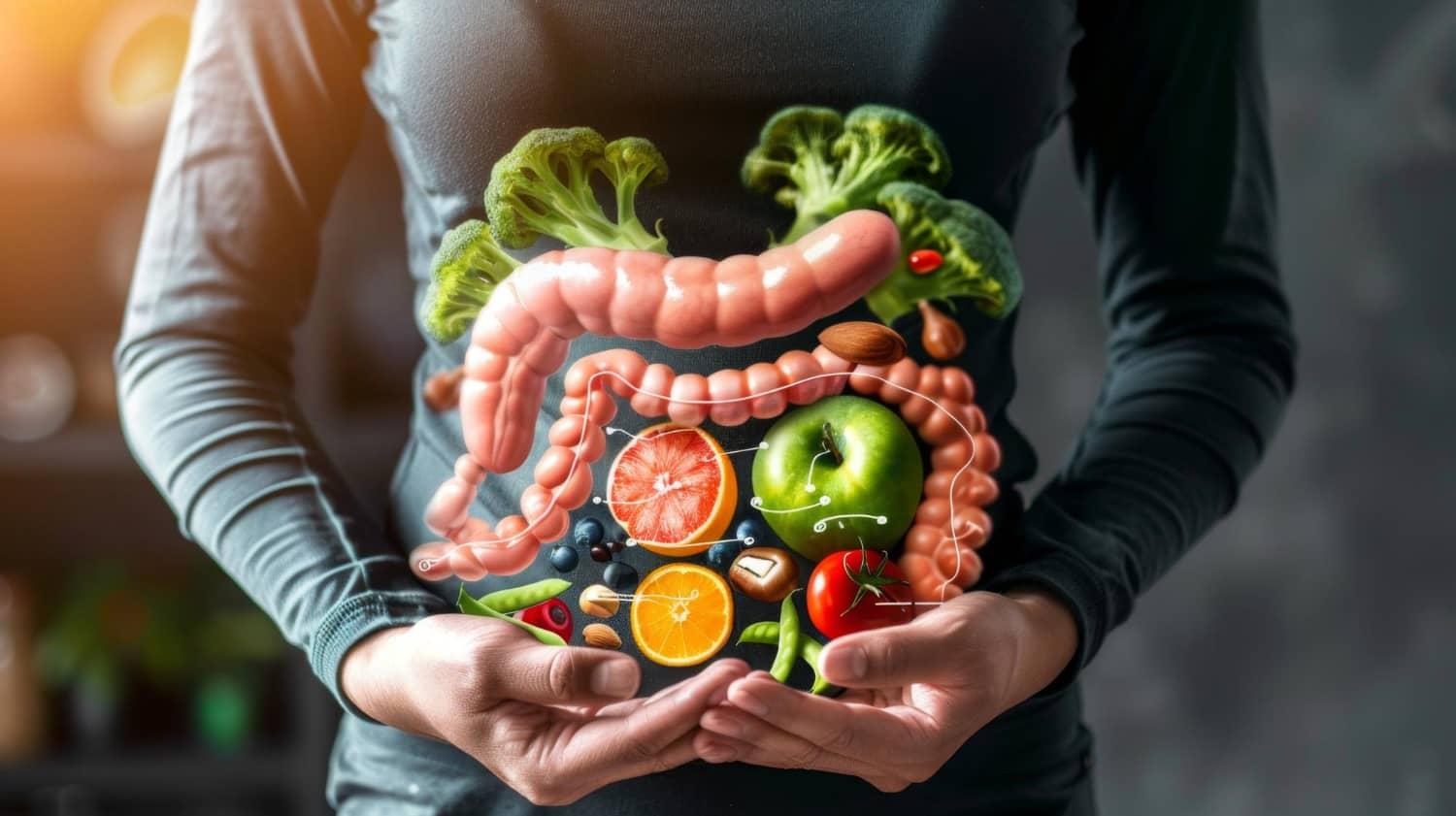
Optimizing Gut Health: Understanding Probiotics and Prebiotics
Introduction
Ever had a "gut feeling" about something? Your gut does more than just help with instincts—it plays a huge role in your digestion, immunity, mood, and even weight management. Often referred to as the "second brain," the gut is home to trillions of microorganisms that influence overall health.
Maintaining a healthy digestive system is essential for nutrient absorption, energy levels, and disease prevention. This is where probiotics and prebiotics come into the picture, working together to support a balanced gut microbiome.
What Are Probiotics?
Probiotics are live beneficial bacteria that help maintain or restore the natural balance of microorganisms in the gut. They support digestion, strengthen immunity, and may even improve mental well-being.
Common sources of probiotics include yogurt, kefir, fermented foods, and dietary supplements. Regular intake can help replenish good bacteria, especially after illness or antibiotic use.
What Are Prebiotics?
Prebiotics are non-digestible fibers that act as food for beneficial gut bacteria. They help probiotics grow and thrive, enhancing their effectiveness.
Prebiotics are naturally found in foods such as garlic, onions, bananas, oats, and legumes. Including these in your diet supports a healthy and diverse gut microbiome.
Probiotics and Prebiotics: The Perfect Duo
While probiotics introduce beneficial bacteria into the gut, prebiotics nourish these bacteria and help them flourish. Together, they create a symbiotic relationship that improves digestion, boosts immunity, and supports overall well-being.
Combining both in your daily diet ensures optimal gut function and long-term health benefits.
Benefits of a Healthy Gut
- Improved Digestion: Better breakdown and absorption of nutrients.
- Stronger Immunity: A balanced microbiome enhances immune defense.
- Better Mood: The gut-brain connection influences emotional health.
- Weight Management: Healthy gut bacteria can support metabolism.
- Reduced Inflammation: Balanced bacteria help manage inflammatory responses.
Tips to Optimize Gut Health
- Include fermented foods in your daily diet.
- Eat fiber-rich fruits, vegetables, and whole grains.
- Stay hydrated to support digestion.
- Limit processed and high-sugar foods.
- Consult a healthcare professional for personalized advice.
Conclusion
Your gut health plays a foundational role in your overall well-being. By understanding the importance of probiotics and prebiotics, you can take proactive steps toward better digestion, stronger immunity, and improved quality of life.
Incorporating both into your daily routine creates a strong foundation for long-term health. Small dietary changes today can lead to significant benefits tomorrow.